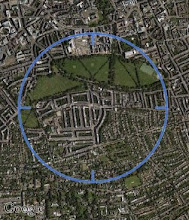
This blog is where you will find community council information, including meeting times, minutes and agenda. Do please comment on postings.

Saturday, 6 September 2008

Save Wrndr Pk Rd Post Office: Public Meeting Tu 9 Sep at 7:30pm


Help save the Warrender Park Road Post Office


If we are going to save this post office from closure, it is vital that as many people as possible come to the public meeting:

Tuesday 9th September

7.30pm

Marchmont St Giles church

(the church itself, not the hall).


Please, please come to it if you possibly can, this is really important for the neighbourhood.

The Marchmont and Sciennes community council will have its ordinary meeting the following day on Wednesday 10 September at 7.30pm at St Catherines church hall as usual.

Hope to see you,

Susie Agnew

Chair MSCC

update Su 7 Sep @ 21:38: Facebook group now established at http://www.new.facebook.com/home.php#/group.php?gid=25576497485

Monday, 25 August 2008

Write now to say why you'll be hugely disadvantaged


SAVE

WARRENDER PARK

POST OFFICE

FROM CLOSING

Write NOW to say why you will be disadvantaged by the closure. Sample letter below...

TO…….

FREEPOST CONSULTATION TEAM

(This is the complete address and no stamp is required.)

(e.mail: consultation@postoffice.co.uk)

Your address

FREEPOST CONSULTATION TEAM Date

(This is all you need to put on the envelope)

NB no stamp required

                (“in confidence” if required)

Dear Sir or Madam

Proposed closure of post office at 73 Warrender Park Road, Edinburgh EH9 1ES

I object to the proposed closure of the above mentioned post office. This will disadvantage me personally because

I cannot walk to the next nearest post office as it is too far and hilly.

or

Although the bus journey is estimated at 4 minutes to the next nearest post office at Tollcross, the bus service is half hourly and a visit to the post office could take over an hour.

There is no direct bus service to Bruntsfield Post Office.

or

I am unable to get to a post office during the week and rely on it being open all day Saturday.

or

I am elderly, do all my affairs locally as I am unable to go further. The closure of the post office will also jeopardise local shops, which form the backbone of the community on which I rely.

or

I do not want to take my car as parking at the nearest post office is very difficult and expensive and causes unnecessary pollution.

or

I bank with the Alliance and Leicester and the post office is its only outlet in this area. I do not want to carry cash for long distances.

or

I find the Warrender post office very convenient to the Sick Children’s Hospital.

or

I find this post office extremely convenient when doing the school run as it is so near the schools.

or

I work at home and need this post office for my business. To go further is a waste of my time.

or

I work in the area and this is the only post office I can reach in my lunch hour.

or

I am a parent of young children and returning parcels is a huge chore if not near by.

or

Any other reason ………………………………………………………………………………………

Yours faithfully


[for details of public meeting on Tu 9 Sep see following post]


Save Warrender Park Post Office


WARRENDER PARK

POST OFFICE CLOSURE


PUBLIC

MEETING


TUESDAY

9th SEPTEMBER

AT 7.30PM

MARCHMONT ST. GILES CHURCH

KILGRASTON ROAD

A representative of the Post Office will be present

Marchmont & Sciennes Community Council

Ordinary meeting on Wednesday 10 September at 7.30pm at St. Catherine Argyle church hall, Grange Road at 7.30pm

Saturday, 16 August 2008

INTRODUCTION TO SUBMISSION

SOUTH CENTRAL NEIGHBOURHOOD PARTNERSHIP
MSCC represent areas which contain predominantly tenement property and are constantly being asked to help in relation to problems with HMOs.
On figures provided by the Council:
Ward 10 Southside/Newington and Ward 15 Meadows/Morningside have between them almost 54% of the total HMOs licensed in Edinburgh.
96% of these HMOs are authorised by the licensing authority
The predominance of HMOs in a tenement or area results in:
wear and tear on the property,
increased noise and disruption where people with differing lifestyles live together and
the drift of a individuals and families to other areas.
reduces the diversity of the population needed to sustain the community as a whole.
The Licensing Authority consider that their only remit is to ensure the safety of tenants. Their policy takes no account of the impact too many HMOs make on individual tenements or areas. This is completely at odds with the way they deal with any other licence application. The community have no difficulty with supporting a policy which ensures the safety of tenants and assures the quality of the accommodation. They do however have a problem with a policy which does not support diversity and sustainability in the community and continues with a policy which denies the importance of these in any community. These areas have benefited from the extra diversity and type of population which occupy HMOs and are aware that they fulfil a need for rented accommodation. However the present policy pays no heed whatsoever to controlling the proportions of HMOs in any tenement or area despite the difficulties this causes to other residents. The Community Councils feel very strongly that this policy is harming the future of their communities. As a community council we are of the view that they are failing in their duty to the community as a whole (and here I included tenants landlords and proprietors) if they do not do change their policy to use the powers they have.
We ask them to review their policy use the powers under the Housing (Scotland) Act 2006 and the The Civic Government (Scotland) Act 1982 to consider the suitability of the property and the impact of the amenity on surrounding properties when granting a licence for an HMO. They will do this in relation to any other licence they grant – why will they not use these powers in relation to HMOs. We have researched the legal issues and are in no doubt that they have the authority to do so. We also want the licensing authority to enforce the conditions attached to an HMO and prosecute where these are breached. Lack of enforcement is a major problem.
The submission which we have prepared gives the details and I ask the Partnership to use their influence to ensure that the Licensing authority give serious consideration to the issues involved and the problems caused by their present policy. The full submission is attached.
Anne Laird
Marchmont and Sciennes Community Council

SUBMISSION TO NEIGHBOURHOOD PARTNERSHIP MEETING

FROM MARCHMONT SCIENNES, IN RELATION HMO LICENSING

The Community Councils represent areas which contain predominantly tenement property and are concerned that the Licensing Authority are not using the full power given to them in the Housing (Scotland) Act 2006 (2006 Act)to protect the amenity and sustainability of the communities in which they live. The Licensing Committee narrowly construe their remit and predominantly consider the safety and security of tenants. They have a much wider responsibility to the community as a whole and as a licensing authority have the power to exercise that responsibility.
The communities concerned are fully aware of the need for safe regulated affordable rented accommodation and, in particular, are aware of the concerns of the student population who require to rent shared accommodation. The communities welcome the diversity and vibrancy that such accommodation brings to their areas. However the need for rented accommodation should not affect the sustainability of any particular community and should not be focussed on a few areas of Edinburgh. It should be distributed throughout the city and a balance struck. Tenement living in particular is community living and where there is a predominance of HMO accommodation in one block or area this leads to overpopulation, tension among residents and a deterioration of the diversity in type of population which is needed to maintain a vibrant and lively popular and sustainable community. The predominance of HMOs in a tenement or area results in , wear and tear on the property, increased noise and disruption where people with differing lifestyles live together and the drift of a individuals and families to other areas. The housing stock requires the input of owner/occupiers to ensure that it is maintained. Individual owners put considerable effort into ensuring the tenement property in which they live is properly maintained and become isolated and disheartened if the effort is entirely theirs and they do not get support for their efforts from landlords or tenants. Properties which have a majority of HMO can be easily distinguished by the lack of care and maintenance. We therefore ask the licensing committee to review their policy and have due regard to the following when considering a licensing application.
1 Suitability of Accomodation
(a) Section131(2) of the 2006 Act empowers the authority to determine whether accommodation is suitable in relation inter alia to location and type and number of persons. Similar provision in The Civic Government (Scotland) Act 1982 Schedule 1 Paragraph 5(3) lists the reasons a licence may be refused “5(3)(c) - the premises are not ... suitable or convenient for the conduct of the activity having regard to ... (i) the location ... (ii) the nature and extent of the proposed use, (iii) kind of persons likely to be in the premises, (iv) the possibility of undue public nuisance. This provision has always been used to consider the effect on the amenity of neighbouring properties and to allow refusal if the amenity is affected. This interpretation has been supported by case law viz Leisure Inns (UK) Ltd v Perth & Kinross District Licensing Board 1991 SC 224. The Opinion in that case stated that the question of amenity can properly arise under s 17 (1) (b) where reference is made to "having regard to their location" and when considering "location" loss of amenity to surrounding properties would be a relevant consideration". Too many HMOs could lead to considerable loss of amenity in the neighbouring properties or other flats in the tenement.
These powers are at present ignored when deciding on the suitability of granting an HMO licence. The licensing authority should use the powers given to them in the legislation to look at the suitability of the property in relation to the area in which it is situated and not confine their remit to ensure it is safe secure living accommodation. Looking at the numbers of HMOs in any one tenement or area will result in a more sustainable community.
(b) In particular the Licensing Committee should have due regard to planning guidance which defines an area as sensitive when the number of HMOs exceeds 30% of the total number of households. Similar guidance requires to be adopted for tenement properties where an HMO licence is required. As explained above the effect of this density of population has a much greater impact in a tenement. The Licensing Committee should not undermine the stated policy of the Planning authority by ignoring these guidelines when they have the power to adopt and apply similar guidance. The Communities expect “joined up Government” from their representatives. They do not expect a different policy to be applied by the Planning authority and a contradictory policy by the licensing authority. The Licensing Committee should consider evidence of the density of HMO’s in the tenement block and in the immediate area when considering the suitability in relation to location and type and number of persons for which the license is to be granted. Where the density in a stair or in a block exceeds 30% then the Committee should invoke the powers given them to refuse a licence.
(c) When considering the number of people for whom a licence is to be granted the Licensing Committee should make it a condition that any occupation of a box room as either living space or a bedroom will be treated as a breach and enforcement action will be taken. A number of 2 bedroom properties are adapted to enable the accommodation of three people and this should be considered when the suitability of the property is assessed as a whole. Changing traditional layout to ensure more rooms and more tenants should also be taken into account when assessing suitability. The properties are often listed buildings which are being altered solely to ensure greater density of population. This does not protect the housing stock or the sustainability of the property in the area.
2 Granting of a new licence where one is already in existence
The 2006 Act makes specific provision for the existing licence lapsing when the property changes hands. The Licensing Committee should make it clear that where there is an application for a new licence the location and type and number of persons will be looked at afresh in accordance with the above policy. This should prevent existing licensed premises becoming a marketable commodity which might add to their value and add to the problem.
3 Enforcement
At Community Council meetings it has become apparent that one of the major concerns is lack of enforcement and meaningful prosecution where conditions are breached. For this reason the following policy should be adopted:
(a) Where there is any breach of conditions of licence and in particular where there is no licence and a licence is required the Committee should prosecute and demand the maximum fine. There is some concern that if the grant of licences is limited in some way that landlords will not make application. It should be sufficient deterrent to any law abiding landlord that there is a real risk of prosecution. With the publication of the Register required under the 2006 Act members of the public should be encouraged by way of a publicity campaign to help police the situation and report suspected breaches of licence conditions or lack of licence. .
(b) The 2006 Act allow some flexibility in the information to be contained in the HMO Register. This should be used to ensure that relevant information is included. The content of the Register should disclose the number of HMOs in a particular tenement with the number of occupants so that this can be used either to identify properties breaching the conditions of licence or as information to be used by the Licensing committee when ascertaining the suitability, density and location for licensing purposes. Residents will also be able to check on the information to decide whether an objection should be made to granting the licence give. The Register should be organised so that it is easy to extract information in relation to a particular street or tenement.
4 Consultation
We are of the view that if the Licensing Committee used their powers as outlined above it would make a considerable contribution to supporting sustainability in our community. However we are aware that no consultation process was carried out prior to the present policy being adopted. Therefore we also suggest that the Licensing Committee consult on their present policy and allow the views of the community to be heard. There are residents who have extreme difficulties where there are too many HMOs in the stair. They should be given the opportunity to put their experiences to the licensing committee so that the committee has a better understanding of the problems in the community. This submission does not deal with anti social behaviour which can also be a problem in some instances but even where there is no anti social behaviour difficulties occur if there are too many HMOs in a stair or area. These range from difficulty in maintaining the property to too much noise because of the number of people using the stairs to access HMO properties at unsocial hours. There is also a problem where the rooms in HMO accommodation have been altered from their original use. This leads to living accommodation being situated above bedrooms and disturbance with neighbours either above or below trying to sleep while others are playing music cooking etc. Once the balance tips one the community loses diversity. We are of the view that a consultation process would enable the committee to get a realistic grasp of the problems involved.
Anne Laird
Marchmont and Sciennes Community Council
11 August 2008

Edinburgh Partnership e-News

Issue 9, August 2008
Working together to improve services
Edinburgh Partnership e-News
I am delighted to advise that the Edinburgh Community Planning Partnership has been successful in securing European Structural Funding in support of key city initiatives, focussing on employability and the regeneration of our disadvantaged
communities.
With European Funds in excess of £5 million over the two year pilot period, the city will benefit from a wide range of new and additional activity. The key objective
is to balance opportunity and need by addressing entry requirements into the labour market and meeting skills shortages, resulting in increased employment and
sustainable employment.
Specific initiatives include Fire Service led training for 14 to 19 year olds, Job Brokerage programmes with city employers and clients from disadvantaged areas,
outreach work through GP surgeries and volunteering opportunities, and measures to help vulnerable groups join the workforce.
I look forward to reporting further on the impact of this Partnership effort as the 'Competitive Communities Programme' progresses.
Other major investment developments reported in this issue include the Partnership’s recent decisions on the Scottish Government’s new Fairer Scotland Fund. We find out how this will benefit the city’s most disadvantaged communities over the next three years.
These outcomes will contribute to the Single Outcome Agreement which requires a new way of working for national and local government and community planning
partners. This issue also contains:
􀂙 Interview with Board member Professor Joan K Stringer
􀂙 Local community planning’s East Neighbourhood Team
􀂙 Neighbourhood Partnership website
􀂙 Tackling crime with Neighbourhood Action Units
􀂙 Cooling down anti-social behaviour
􀂙 Post office closures update
􀂙 Edinburgh Partnership in Conference
􀂙 A City for All Ages progress
􀂙 Engaging communities
􀂙 Community planning in NHS Lothian
􀂙 Edinburgh Inspiring Volunteering Awards 2008
Councillor Jenny Dawe, Chair of the Edinburgh Partnership
www.edinburgh.gov.uk/community planning

Sunday, 27 July 2008

Public Meeting with Guest Speaker David Middleton

MSCC Public Meeting with Guest Speaker David Middleton
11th June 2008

If MSCC are looking for a solution to local social problems then perhaps it would be useful to consider the situation in St Andrew’s. While the residents of St Andrew’s accept the importance of students to the economy and know that students like to live as part of the community, there are problems brought about by the concentration of HMO’s in certain areas.
In St Andrews half of the students live in halls of residence while 3500 live in the community in the historic core of St Andrews. This has led to a deterioration to the fabric of these buildings. HMO’s tend to pack together leading to 100% HMO’s in some areas. Those who would carry on the historical spirit of the area are no longer there. The student community is transient bringing no sense of identity to the area.
This is not confined to St Andrews but occurs also in Glasgow. To accommodate more people, landlords here have repositioned kitchens and bathrooms and the noises from formica type flooring presents a problem for neighbours. In conservation areas where there is no limitation to HMO’s this results in a degradation of the area rather than an enhancement.
Government has recognised that there is a problem and SPP3 looks at housing in general. In Northern Ireland the law on HMO’s has changed. There could be fines of £20,000.
SUSCOMS makes the sensible suggestion of the need for sustainable communities to avoid the adverse cumulative effect of development.
There are 180,000 students in Scotland, i.e. more than the population of Dundee.
No one is taking responsibility for this group of people. Planning departments just take a guess at how many purpose built properties for students are required.
We need to analyse the situation and estimate properly the numbers required for purpose built accommodation. It is not helpful to victimise one group be they students, landlords, developers or planners.
What does sustainable communities mean? Does it mean families? Certainly families should have the option of living in the same area. HMO’s increase the value of properties and tend to price out young families and first time buyers. The rent obtained from an HMO is not a practical rent for a young family.
Other factors of concern include
a) the clash of lifestyles of young people and families. A group of well behaved students one year may be followed by a differently behaving group the next year.
b) If an area is predominately HMO the shops change
c) In St Andrews, an area of social housing built in the 1930’s is now predominately HMO. This has exacerbated the problem of homelessness in St Andrews making it the highest in UK
d) New tenants do not have the right to buy

So what is the solution. Suggestions are:
1. Build more accommodation.
2. Ecofriendly area, socially inclusive
3. Glasgow partnership with social landlords
4. St Andrews student association, properties owned by the students
A reminder that if HMO’s are restricted, it is not the students who are made homeless.

DISCUSSION
We can see this non-sustainability occurring in Tollcross area. When a new HMO application goes forward there should be a list of neighbouring HMO’s made available. Fife Council are forced to provide this information under Freedom of Information. Dundee have the licensing and planning informatiion available on the internet.
In Edinburgh there is the problem of lack of enforcement. The licensing department need to consider the needs of the whole community.
People have the right to object to a license but councils usually very resistant.
Planning should deal with the concentration of HMO’s but there is no law to control the planning process. Complacency will result in there being no change in the effect of planning regulations.

In Edinburgh there are 41,000 FT students. There is some dedicated student accommodation but when landlords overstep the rules, council do not enforce the regulations.
Family homes are for families. We have to determine if University is still expanding or static. Then purpose built accommodation in the right location is the way to go. On a campus is good, part of the University enabling social interaction.
There has been a soft touch approach to enforcement. The concordat has been discredited because no risk assessment included. We must encourage all lanlords to have a license. If no enforcement we need a risk assessment.
If we restrict HMO’s, we will depress the property price. Some residents will be concerned that we depress their asset.
What will be a suitable percentage sugested to allow a good mix in an area.
Other issues discussed were requirement to maintain gardens , clean windows and stairs. Historic properties should be looked after.
There should be a survey to find out what do students want. ?? Eco villages, co-operative housing, stand alone groups of houses. Instead of this we have historic buildings destroyed, fireplaces ripped out.

Students comments
1.Purpose built accommodation provides no privacy and the rooms are of minimum size.
2.Some students are at University for 8-9 years.
3.Students understand the concerns of residents and suggest compulsory carpets to reduce noise
5. Private landlords often more responsible than University accommodation.
6. One problem for overseas students is that university accommodation is too expensive. It is cheaper in private sector. This may be because University pays council tax whereas private landlords do not.

Discussion
1. Student grant should cover cost of accommodation and council tax. Council obtains finance from landlords via licensing fee. This fee should cover cost of garbage collection and other council activity.
2. The licensing scheme should be financially self supporting. We have a low licensing fee which is not properly enforced. There is a direct connection between the level of the licensing fee and the level of enforcement.

We suggest an increase in the license fee which should include a requirement for stairs and gardens.
Should it be through licensing or planning??
If planning system is to be used as suggested by government, then we need to make changes.
Planning permission should be required for all HMO’s even if there are only 3 residents. Houses need to be brought into the scheme as well.

Minutes of Ordinary Meeting held on 11th June 2008

Marchmont and Sciennes Community Council
Minutes of Ordinary Meeting held on 11th June 2008,
St Catherine’s Argyle Church Community Hall, Grange Road

Sederunt :
Susie Agnew(Chair), Anne Laird (vice chair), Susanna Lacey(secretary) Sarah Marchbanks (Treasurer)

Peng Lee Yap( FOMBL), Muriel Robertson(Magpie), Lindsay Thomson (Lothian and Borders Police), Mike Shields (CEC Service for Communities), Tony Reeves (Grange Association), Alastair Philp (Neighbourhood Partnership)

Ruth Stroud, Tina Cumming, Linda Smith, John Simon, Roseanna Agnew, Fiona Scott, Ken Dougall, Sarah Sandow, Cllr Marilyn McLaren, Alastair Philp, Cllr Cameron Rose, Masoud Malik, Richard Beauchamp, Roslyn Evans, Adam McMinn, Nan McMinn, Tony Reeves (Grange Association) Colette Meyer, Thomas Underwood, Melanie Main, Dorothy Ryle, Brian Harris.

Apologies:
Alison Johnstone, Cllr Gordon McKenzie, Anne Laing, Cherry Ledlie, Neil Brierly

Minutes of previous meeting
Proposed Anne Laird, seconded John Simon

Matters Arising
Item 9 . It was pointed out that there is going to be only one community council representative on the temporary (for one year) South Edinburgh Partnership Forum.
Item 4. Margo MacDonald had enquired if the police intend to challenge the licenses of off-licenses who sell alcohol to under-age drinkers. In response to this the Cabinet Secretary for Justice , Kenny MacAskill has informed that in September the law will be changed such that off-licenses who are caught selling alcohol to underage drinkers will have their licenses revoked with immediate effect. Previously these shopkeepers could lodge an appeal and still trade as off-licenses until a decision had been reached.

Police Report
Lindsay said that she would have to make her report brief this time.
Vandalism has been higher than normal in Southside and Morningside with wing mirrors and windscreens vandalised.
Housebreaking down, only 3 domestic and 1 busines.
Pedal cycle theft and auto crime down
There is to be a new pedal cycle initiative.
Sexual offences: another incident on the meadows 1st June.

Trams Update
Sarah Sandow attended this meeting chaired by Oscar Wells of West End CC.
The trams will ease the congestion produced by the expected increase in population of 50,000 by 2024.
Edinburgh is now 20th retail city in UK compared to previous position as 5th retail city.
There is a great deal of anxiety within the small business group on Leith Walk.
The second tram route 1B may not now happen due to cost.
Trams will serve only 7% of Edinburgh population and 60% of passengers will be standing.
If trams are not a financial success the money will come from the buses which will exacerbate the public transport situation.
These decisions have not taken into account the wishes of the local community.
There is concern about getting on and alighting from the trams safely.

Nomination for Licensing Forum
This forum is not a decision making body but a way to see how the licensing board works.
It was agreed that with her legal background, Anne Laird should be our representative on this Forum.

AOCB
Health Improvement:
Ruth Stroud highlighted the the 4 main points of the health inequalities improvement plan for 2008-2011: food and health, physical activity, social capital and healthy environment. The meeting was in agreement with this focus to the health improvement plan and that Ruth Stroud should represent MSCC at the next meeting on 18th July 2008.
Post Office Closures:
Possible closures will be listed by 19th August. If Warrender Park Road is on the list then it will be closed but there is a period of 4-6weeks for objections then decision will be made.
Licensing:
A funfair has applied for a license along with the Urban Circus. FOMBL are concerned re noise and late times and want to object. Residents in Silvan Place and Fingal Place concerned re the extent of use of the Meadows for events such as Taste of Edinburgh and Moonwalk. There is a meeting of FOMBL in Peter’s Yard on the Meadows.

Date of next meeting 10th September 2008

Minutes of AGM held on 11th June 2008

Marchmont and Sciennes Community Council
Minutes of AGM held on 11th June 2008,
St Catherine’s Argyle Church Community Hall, Grange Road
7pm

Sederunt :
Susie Agnew(Chair), Anne Laird (vice chair), Susanna Lacey(secretary) Sarah Marchbanks (Treasurer)

Peng Lee Yap( FOMBL), Muriel Robertson(Magpie), Lindsay Thomson (Lothian and Borders Police), Mike Shields (CEC Service for Communities), Tony Reeves (Grange Association), Alastair Philp (Neighbourhood Partnership)

Ruth Stroud, Tina Cumming, Linda Smith, John Simon, Roseanna Agnew, Fiona Scott, Ken Dougall, Sarah Sandow, Cllr Marilyn McLaren, Alastair Philp, Cllr Cameron Rose, Masoud Malik, Richard Beauchamp, Roslyn Evans, Adam McMinn, Nan McMinn, Tony Reeves (Grange Association) Colette Meyer, Thomas Underwood, Melanie Main, Dorothy Ryle, Brian Harris.

Apologies:
Alison Johnstone, Cllr Gordon McKenzie, Anne Laing, Cherry Ledlie.

Minutes of previous AGM
Proposed Tina Cumming, seconded Linda Smith

Matters Arising:
Streetscape: there has been a communication regarding the wishes of local residents for paving stones rather than asphalt to maintain the traditional ambience of the area. This matter is still ongoing.
For the amount of money spent the results are not very impressive. However the work is still unfinished. If money is spent on paving slabs, lorries can still damage them. When planters are supplied there is no grant money for maintenance of planters. The cycle route through the streetscape area needs clarified.

Action: It was suggested that MSCC should write to the council. Susie Agnew will do this.

Chairperson’s report:
Chairperson’s annual report 2008
The main issues this year which we have discussed and acted upon are:
Streetscape in Roseneath, Meadows Place closure, Grange cemetery, Rubbish collection, Lunch club, Parking zones, HMO’s , and Christmas Party.

Firstly, in no particular order, the streetscape of Roseneath which was intended to enhance the environment of Roseneath Street. We had a presentation by the council and we made considerable suggestions and criticisms, some of which were acted upon, most importantly that they did not proceed with widening the pavement on the Argyle Place side of the corner with Roseneath Street. The works are nearly complete now and I hope that they will have been worth it. Certainly the pavement on the north side is not as wide as originally intended because of drainage from the tenements, but perhaps this is lucky as the extra width has not deterred the double parking and when the buses stop, there is considerable congestion.

The possible closure of Meadow Place caused considerable controversy both for and against it. However the majority of opinion was concerned with the potential dangerous knock on effect that the closure would cause to the junction at the foot of Marchmont Road and there seemed surprise that the council were not looking at the junction as one entity and merely considering the advantage to cyclists at Meadow Place. The figures of accidents at Meadow Place and Marchmont Road did not present a justified case for closing it. At a very emotive meeting the council made a weak presentation and interestingly, although Spokes was well represented, not all their members were in favour of the closure. The meeting finished with the council officials agreeing to look at it again but we have not heard from them since.

The year started with the introduction of a charge for special rubbish uplifts. We had a presentation by the cleansing department, but they had already decided to go ahead with it and agreed to monitor the amount of fly tipping. Again, I have not heard any more from them, neither have I heard complaints or comments about increased rubbish on the streets.

The Grange cemetery has featured often on our agendas and we have undertaken an ambitious programme to find funding to re-erect the headstones which have been laid flat for safety reasons, which is a national policy. Having acquired a list of over 500 flattened stones, I found that the Scottish Genealogical Society has nearly completed cataloguing the inscriptions on the headstones so I have asked them to add the inscriptions to my list. However they are taking a long time, so I plan to start matching inscriptions to the flattened headstones ourselves in the hope of finding individual funding
for some of them.

Another project which is proving frustrating is the lunch club proposed by Mr. Malik. He and I have had meetings with Karen Watson at Marchmont St Giles and the Church is very keen to support the idea. There are some cultural difficulties concerning the menu but the main problem is the venue. Although Marchmont St Giles new hall would be ideal, it is very booked up and not really available, Karen has said that she would ask St Catherine’s but they are without a minister at present and not in a position to make decisions. Karen herself is very busy and progress on the lunch club is slow.

In October Hugh Leather and I attended a transport meeting as they had ideas to tweek the controlled parking zones. We asked them to amalgamate some of zones 7 and 8 with zone S1and this idea was well received and we believe that it will happen. Meanwhile residents in parts of those zones have been given permission to park in some of S1 which has relieved the situation hugely.

The subject of HMO properties has recently come to the forefront again following a website on the students union page called the” right to rent” speaking out against the possibility of imposing a quota of HMO’s in the area. In May, Margo MacDonald MSP attended our meeting and heard many points of view including that of the president of the student union. The students undoubtedly bring a vibrancy to the area and it is probably thanks to their presence that we have such good local shops, and recently an increase in cafes. However the permanent residents in the neighbourhood find that too many students in each staircase mean that such things as the stair cleaning rota is not adhered to, the garden is not attended to, the noise is too great and there is a general deterioration of the stair community. Following last month’s meeting, Councillors |Mark McInnes and Marilyn McLaren have taken up the issue and are planning a meeting with our office bearers to discuss a way forward.

On a happier note, we had a most successful Christmas tree lighting party. It was credit to the organisers that despite the weather there was such a good turn-out.

Over the year I have done a huge amount of correspondence informally by e-mail which are too numerous to list. In addition I have written letters about the no. 24 bus, several letters about bicycle access to James Gillespie’s primary school, and several letters to various council departments about retaining the youth worker at the Eric Liddell centre, the latter being successful.

I cannot avoid a mention about the Meadows Festival. It was run by a small group of individual volunteers, who included our very own Susanna. To take on such a huge project was valiant in the extreme and I am sure involved a lot of work and effort. It was undoubtedly a resounding success and we owe the organisers a sincere vote of thanks. Our community council had a presence there all weekend.

I owe my personal thanks to the office bearers without whom I could not have done this job. Initially Hugh Leather was the secretary and he revolutionised the technology of our community council and generally made a big impact. He passed on much of his technical expertise to Susanna who is also a fantastic secretary. It is hard to understand how many e-mails and how much paper work passes by Susanna, who deals with it efficiently and with good humour and I am very grateful to her. Sarah Marchbank as treasurer has had a busy year with helping the Marchmont and Sciennes Business Association, receiving grant money for street improvements outwith the streetscape in Roseneath, and the regular outlays, again all dealt with efficiently and cheerfully. Alastair Philp is an excellent representative on the neighbourhood partnership, reporting back to us clearly and concisely; and Anne Laird, as vice chair, has been a constant and welcome support to me, as well as remaining our spokesman on HMO’s.
So that is a résumé of the past year. What about the future. I am disappointed that we have had such a poor turn out of community councillors at many meetings. We have had 11 meetings and officially those who have not attended at least 6 of those meetings should be resigning. But I am not asking you to resign, or wanting you to resign, but I am asking you to become active in the work of the community council. In the Autumn, I intend to raise the profile of the community council, and get out there and tell people that we exist. See you in September with renewed vigour!

Secretary’s report:
As you know I took over as secretary from Hugh Leather who had taken over previously from Tina Cumming. Both of these were excellent secretaries for me to follow. Tina kept everyone informed, by e-mail and by sharing of documents, of what was happening in the area and at Edinburgh City Council. She increased my interest in the local community of MSCC. Then Hugh came along with his blog and added a new dimension to the procedures. I have continued with the blog entries, ably assisted by Hugh at the beginning. I have also continued with e-mail communications to members of MSCC to inform of blog entries and the other communications I receive. This was for the benefit for those members who did not want to access the blog regularly but who wanted to be kept informed. I have also re-established the previous links with Newington Library so that minutes, agendas and other MSCC communications will be available for those members who do not have access to the internet.

As secretary, I receive an enormous amount of communications from Edinburgh City Council, Police reports and various other groups. Most recently there has been a request from other community councils and the Grange Association to share minutes and agendas. At a meeting of office bearers it was decided not to include the minutes of other groups in our blog as we have a lot of material on the blog already. It was decided rather to post the dates and times of other meetings in our MSCC calendar as well as a link to their websites.

Personally, I have attended as MSCC representative the SPP3-HMO meeting at Victoria Quay, the Magpie AGM meeting at the Croquet Club and a CEC training session for community councils.

Among the communications received and discussed at meetings have been Environmental Fora, Training Sessions at CEC, NHS Consultations, School Closures, Meadows Place Closure, Controlled Parking, Special Uplifts, Grange Cemetery, Cycle Racks, Buses, Neighbourhood Partnership, 3m’s youth Partnership. Issues which are still ongoing are Lunch Club, licenses for events on the Meadows, and HMO licenses.

Treasurer’s report:
Liabilities include £2500 for the Traders Association. This year we have spent more than has come in but we still have a healthy bank balance. We still have to receive an extra streetscape grant and we have until mid September to spend this money. A printed treasurer’s account was available.

AOCB
There should be more trees in the area as there are some gaps where trees have died but have not been replanted. Mike Shields informed that there is a city wide budget for trees with 30 trees planned for Edinburgh South. This can be discussed further in September.

The AGM was drawn to a close.

Wednesday, 25 June 2008

SCOTTISH GOVERNMENT CONSULTATION – “SAFEGUARDING OUR RURAL SCHOOLS AND IMPROVING SCHOOL CONSULTATION PROCEDURES”

The Scottish Government is currently consulting on proposals for improving the way in which school closure proposals might be handled in the future. Given the role of schools in their communities, the consultation will be of potential interest to Community Councils (and the paper was sent to the Association of Scottish Community Councils when the consultation began).

You can access our consultation paper, “Safeguarding our Rural Schools and Improving School Consultation Procedures: Proposals for Changes to Legislation” on the Scottish Government website at: www.scotland.gov.uk/221297, and a summary version is available at: www.scotland.gov.uk/221476. If you would like hard copies of the full consultation paper, or the summary, please telephone on 0131 244 0166 to request hard copies, or e-mail your request to schoolclosure.consultation@scotland.gsi.gov.uk. Further information about the consultation, including details of public meetings, are available on the Parentzone website
School Closures

How to respond
We very much want to know your views on the changes we are proposing. You can:
 send them to us by post to:
School Closure Consultation CRE995
CSU, Spur U5b, Saughton House
Broomhouse Drive
Edinburgh
EH11 3XD
 e-mail your views to us at schoolclosure.consultation@scotland.gsi.gov.uk
 complete an on-line response form on the Scottish Government website at
Safeguarding Schools

However you respond, please complete and return a Respondent Information Form, available on the Scottish Government website and in the full consultation paper. This helps us to make sure that we treat your response appropriately. If you ask for your response not to be published we will regard it as confidential and treat it accordingly.
Should you require further information please do not hesitate to contact us by e-mail (schoolclosure.consultation@scotland.gsi.gov.uk) or by telephone on 0131 244 0166.
Yours faithfully
LYNN HENNI

Edinburgh City Council Leader's Report - June 2008

Edinburgh City Council is now entering the recess period when no formal meetings or Council business is conducted.
The Leader's report can be accessed at:
Leader's Report
I do hope that you will find much of interest in the report.

Tuesday, 17 June 2008

Parks and Greenspace Survey


Readers with an interest in Edinburgh's parks might be interested to fill in a questionnaire that City of Edinburgh Council have on their website, which says:

"Parks are special places – green oases in our city. They are places where you can escape the hustle and bustle of daily life, exercise, watch wildlife or simply relax.

We want to know what you think about your local park or greenspace in Edinburgh. Is it a wildlife haven or a waste ground? Do you love it or loathe it? Is it litter-strewn or is it litter free?

Respondents will be entered into a prize draw to win high street vouchers and spending sprees at the Council's Inch Nursery plant sale."

Friday, 13 June 2008

War Memorial Trust

War Memorials Trust (WMT) is the only national charity dedicated to the conservation and repair of war memorials throughout the UK. The charity aims to promote and support the preservation of war memorials so that they continue to be valued as an important part of our national heritage. As the nation marks the 90th anniversary of the end of WWI this year we know many communities are looking to ensure their memorials are in a fit condition for Remembrance events. Through its grant schemes War Memorials Trust can contribute financially towards repair and conservation projects to war memorials.

The Trust currently runs two grant schemes which support war memorial conservation and repair projects in Scotland.

The first scheme Small Grants Scheme in Scotland was only recently launched and is run in collaboration with Historic Scotland. It can support the conservation and repair of only freestanding war memorials in Scotland. To be eligible the war memorial must not be part of another building e.g. a plaque within or attached to another building. The scheme can fund up to 75% of the total eligible costs of the project up to a maximum of £7,500.

The conservation and repair of non-freestanding war memorials in Scotland is eligible for assistance under WMT’s general Small Grant Scheme that can and has, since its creation in 1998, been supporting work to all types of war memorials throughout the UK. The scheme currently awards grants of up to 50% of eligible costs, with a maximum of £2,500.

WMT encourages you to examine the war memorials within your area (whether
freestanding in the form of a cross, cenotaph, lych gate, etc or non-freestanding such as plaques, stained glass windows, rolls of honour, etc) to determine whether they require any conservation works. Such works may include limited cleaning and re-cutting of eroded inscriptions, structural works, applying protective coatings and many more. Both schemes are open to anyone to apply so if you feel that this funding opportunity may be of interest to other local groups or private custodians of war memorials, please do not hesitate to forward this information on.

Application packs for this scheme can be found on our website (www.warmemorials.org)
or by contacting our office on 020 7881 0862 or conservation@warmemorials.org. To
discuss further which grant scheme to apply for, or for further information please contact the Conservation Officer at the above.

WMT also publishes advice sheets on a wide range of war memorial issues including that of maintenance of war memorials. This includes useful information on what a
maintenance plan for a war memorial should include. All advice sheets can be
downloaded from the Trust’s website.

REVIEW OF EDINBURGH COMMUNITY COUNCIL SCHEME

REVIEW OF EDINBURGH COMMUNITY COUNCIL SCHEME
The 1973 Local Government (Scotland) Act required all local authorities to prepare a Scheme for Community Councils. The Scheme provides a framework governing their creation and operation.
The next community council elections are due to be held in October 2009 and there is an opportunity prior to these elections to review the current Scheme to ensure that it is ‘fit for purpose’.
Community councils have a key role in representing the community’s view on the 12 Neighbourhood Partnerships. With these new responsibilities there is an increasing demand for community councils to demonstrate that they are accountable and transparent bodies. It will also be important to revise areas of the Scheme where there is insufficient clarity or guidance as part of this process.
The Review will require an extensive consultation process in line with statutory requirements. Throughout this period, community councils will be kept informed of issues that emerge from the engagement process.
Consultation is also underway on a national model scheme and code of conduct. Findings from the National Review will help to inform the Edinburgh Review of the Scheme.

Attached is the questionnaire, the Edinburgh Community Council Scheme and the draft Code of Conduct from the National Review. The community council could complete the enclosed questionnaire by 31 August 2008.


REVIEW OF COMMUNITY COUNCIL SCHEME QUESTIONNAIRE


Copies of the questionnaire are available from the secretary at SLacey1@aol.com
or by clicking on link below
Review of Community Councils
These should be returned by 31 AUGUST 2008 to
Eileen Hewitt
Community Council Liaison & Development Officer
Services for Communities
Waverley Court
Level C:4
4 East Market Street
EDINBURGH EH8 8BG
Tel: 0131 469 3838

Edinburgh Association of Community Councils AGM

The EACC AGM will be held on Saturday 21 June at 10 am in the European Room, City Chambers. If you wish to attend from MSCC please contact Jenny on jennybmackenzie@gmail.com.

Trams Final Design Exhibition

11th June 2008 news release

Final Phase of Tram Utility Diversions Announced for Haymarket Interchange

tie Limited has announced the final phase of the tram utility diversion work in the city centre which will take place at the Haymarket Interchange.

This critical utility diversion work that has been underway across the City since September 2007 will now enter its final phase in July 2008 and will end in February 2009.

The work will be carried out in five distinct stages, with the first three stages being completed by early November.

Associated enabling work starting on June 16th will see the introduction of temporary pedestrian crossings at key locations so as to ensure the continued safety and uninhibited flow of the walking public.

As in our other sections of work, important temporary traffic management solutions have been carefully developed so as to ensure the free flow of traffic through the different phases.

During the enabling works it is our intention that the Caledonian Alehouse will be demolished. This will be done in a structured way so as to preserve the external stone work and slates for salvage. Several options are currently being explored

Willie Gallagher, Executive Chairman of tie Limited, said: “Haymarket is a critical location for the Edinburgh Tram Project and we are mindful of its importance to the City. As such, we will ensure that any impact associated with these works is lessened by good planning and robust traffic management.

“Work has already commenced on the Haymarket Station car park site and this will now branch out to on street works.

“With any of our works that have involved significant temporary traffic management diversions the assurance that the public need to hear is that we work with our partners – the City of Edinburgh Council, Lothian Buses and the emergency services. As in these other locations, we will provide for the optimum flow of traffic for both public and private.”

“Our work with local community groups has now started and it’s important that we agree solutions to issues including access and service delivery and collection arrangements as part and parcel of these works.

“We recognise that Edinburgh wants this work done quickly and safely. Our proposed methodology, alongside the traffic management measures, is the best way to achieve this.”

Bill Campbell, Lothian Buses operations director said: “Many of our busiest bus services pass through the Haymarket area so it is critical that the diversions are managed properly. As at Shandwick Place and Constitution Street, we have worked closely with tie and The City Council in the planning of the diversions and we are confidant that everything will go according to plan and that any inconvenience to passengers is kept to a minimum.”

Cllr Phil Wheeler, Transport Convener at the City of Edinburgh Council, said: “Each phase of the utility diversion programme has been well managed to ensure that traffic continues to flow in the city while tram work goes on and I am sure this stage will be no different.

“Edinburgh remains very much open for business while work goes on and every effort is being taken to ensure that access to businesses for customers, services and deliveries is retained. We are also running a marketing campaign on the wealth of reasons to visit the city centre and we will continue to work with businesses on creative ways to ensure visitors and shoppers continue to come into town while work is going on.”

For further information, please contact Gordon Robertson at Media House on 0131 555 1015 or 07887 542 124.
The main temporary traffic diversions will involve using the following streets: Magdala Crescent, Eglinton Cresent, Roseberry Crescent, Grosvenor Street and Lansdowne Crescent.

Work Programme:

Stage 1 – Haymarket Station, Dalry Road and Torphicen Street
Stage 2 – Haymarket Station, Dalry completion and Manor Place junction
Stage 3 – Haymarket Station and Manor Place junction
Stage 4 – Station completion and Palmerston Place junction
Stage 5 – West Maitland Street


A series of exhibition events have been planned over the next few weeks to present the detailed design of the tram route

TIMETABLE
FINAL DETAILED DESIGN MEETINGS - June 2008

Monday 16th June 2008 4pm – 7.30pm
Haymarket - Edinburgh Park
Stenhouse & St. Aidens Church, Chesser Avenue, Edinburgh

Tuesday 17th June 2008 4pm – 7.30pm
Edinburgh Park – Airport
Findhorn Room, Edinburgh Marriot Hotel, 111 Glasgow Road, Edinburgh, EH12 8NS

Wednesday 18th June 20084pm – 7.30pm
Newhaven Road – Foot of the Walk
St. Mary’s Star of the Sea, 106 Constitution Street, Leith, Edinburgh EH6 6AW

Thursday 19th June 2008 4pm – 7.30pm
Foot of the Walk – Picardy Place
St. Mary’s Cathedral, 61 York Place, Edinburgh, EH1 3JD

Monday 23rd June 2008 4pm – 7.30pm
Picardy Place – Haymarket
St. George’s West Church, 58 Shandwick Place, Edinburgh, EH2 4RT

Tuesday 24th June 2008 4pm – 7.30pm
Roseburn – Crewe Toll
Holiday Inn,107 Queensferry Road, Edinburgh, EH4 3HL

Wednesday 25th June 2008 4pm – 7.30pm
Crewe Toll - Granton
Telford College, 350 West Granton Road, Edinburgh, EH5 1QE

Thursday 26th June 2008 4.30pm –7.00pm
Baird Drive
Saughtonhall Recreation Hall, 22a Saughtonhall Avenue, Edinburgh

Wednesday, 11 June 2008

PUBLIC MEETING ON SUSTAINABLE COMMUNITIES

PUBLIC MEETING
Wednesday 11 June 2008 at 8.00pm
ST CATHERINE ARGYLE CHURCH HALL GRANGE ROAD
Guest speaker

DAVID MIDDLETON
MEMBER OF SUSTAINABLE COMMUNITIES (SCOTLAND)
Planning convener for St Andrews Preservation Trust
Chair of the Confederation of St. Andrews Residents Associations

Speaking on the subject of

SUSTAINABLE COMMUNITIES

With particular reference to HMO areas

Presentation followed by open discussion

Agenda for Annual General Meeting 11th June 2008

The AGM of the Marchmont & Sciennes Community Council will take place on

WEDNESDAY 11 JUNE 2008

At 7.00pm

ST. CATHERINE ARGYLE CHURCH HALL
GRANGE ROAD
Followed immediately by Ordinary Meeting
Then
SPECIAL MEETING at 8.00pm.
With Guest Speaker on Sustainable Communities
in HMO areas.


AGENDA

1. Minutes of the last AGM and matters arising.
2. Chairman’s Report.
3. Secretary’s Report.
4. Treasurer’s Report.
5. A.O.C.B.
6. Next AGM Wednesday 10 June 2009.

Agenda for Ordinary Meeting 11th June 2008

Agenda for Ordinary Meeting

WEDNESDAY 11 JUNE 2008 at 7.00pm in
St Catherine’s Argyle Church Community Hall, Grange Road


1. Sederunt and Apologies.
2. Minutes of Meeting held 14 May 2008.
3. Matters Arising.
4. Police Report.
5. Trams Update.
6. Nomination for Licensing Forum.
7. A.O.C.B.
8. Next Meeting Wednesday 10 September 2008.

Minutes of AGM 20th June 2008

Minutes of Annual General Meeting
Wednesday 20 June 2007 at St Catherine’s Argyle Community Hall, Grange Road, Edinburgh

Attendance
Elected Representatives: Susie Agnew, Tina Cumming, Ken Dougall, Hugh Leather, Melanie Main, Sarah Sandow, Linda Smith, Ruth Stroud.
Local Interest Group Representatives: Susanna Lacey; Cherry Ledlie, Dorothy Ryle.
Members and others: Mike Cumming, Cllr Alison Johnstone, Anne Laing, Sarah Marchbank, Audrey Simon, John Simon.
Apologies: Steve Burgess; PC Bruce Burt; Cllr McInnes; Cllr Marilyne MacLaren; Alastair Philp; Anne Laird; Mike Pringle MSP; Fiona Scott.

1 Minutes of the 2006 Annual General Meeting
Melanie Main explained that she was standing in for Anne Laird as Chair for the meeting. She welcomed attendees to the meeting and noted apologies. The minutes of the 2006 AGM were approved. (Proposed: Tina Cumming; Seconded: Susie Agnew)

2 Treasurer’s Report
Melanie Main explained that the 2005/06 accounts hadn’t been ready for approval at the last AGM, and that the MSCC accounts for both 2005/06 and 2006/07 were therefore being submitted for the group’s approval. A summary of both sets of accounts was tabled, and Melanie summarised that the finances are very healthy, with around £3000 in the bank.

There was a brief discussion of the accounts, and Melanie Main answered all queries raised. By general consensus the accounts were approved, and the group gratefully accepted Ed Skedd’s offer to continue as auditor.
ACTION
 Ed Skedd will be sent a cheque for £50 as a token of the MSCC’s appreciation.
 Anyone with ideas of worthwhile ways of spending some of the MSCC’s surplus money for the benefit of the local community should raise the issue at future meeting.
 Hugh Leather will set up a private web-space to be viewed by MSCC members only. The accounts will be made available on this web-space, and regularly updated.

3 Chairwoman’s Report
Melanie Main read out Anne Laird’s report of the MSCC’s activities for 2006/07, and the group was happy to adopt this report as an accurate record.
ACTION
 Hugh Leather will make the Chairwoman’s Report available on the MSCC blog.

4 Election of Office Bearers and Community Council Elected Member
4.1 Election of MSCC members
Tina Cumming nominated Sarah Marchbank to fill the remaining vacancy on the MSCC. This was seconded by Linda Smith, and Sarah was appointed a MSCC member.
4.2 Election of Chair
There being no volunteers for the role of Chair, Susie Agnew was asked if she would take on the role. Susie explained that she felt unsuited to the role, and unable to commit the time the role truly deserves. However, in the absence of volunteers, she agreed to accept the role until a replacement chair could be found, and on the condition MSCC members and attendees would play an active role in volunteering to undertake action points arising from the meetings. Susie Agnew was therefore appointed MSCC chair. (Proposed: Dorothy Ryle; seconded: Sarah Sandow.)
4.3 Election of Secretary
Susannah Lacey nominated Hugh Leather as Secretary. This was seconded by Ken Dougall, and Hugh Leather was appointed MSCC Secretary.
4.4 Election of Treasurer
Anne Laing nominated Sarah Marchbank as Treasurer. This was seconded by Sarah Sandow, and Sarah Marchbank was appointed MSCC Treasurer.
4.5 Election of Vice Chair
Linda Smith nominated Anne Laird as Vice Chair. This was seconded by Ken Dougall, and Anne Laird was appointed MSCC Vice Chair.

5 Any other business
A number of other issues were discussed during the meeting:

5.1 Matters Arising from 2006 AGM
Melanie Main updated the group:
 Money has been made available for a memorial tree for Mr Harris and this matter is progressing.
 Edinburgh City Council has decided to go ahead with the proposed street refurbishment in Marchmont (draft plans for this refurbishment were presented at the March MSCC meeting). Council representatives would like to come to a future meeting of the MSCC to discuss the refurbishment further with local residents.

5.2 Grant application
Melanie Main explained that the Council’s planned street refurbishment will remove the need for the MSSC to obtain a grant to pay for new notice boards for that area, and that the MSCC has the option of withdrawing its current grant application and re-presenting an amended application. The group discussed other possible improvements that might be included in an amended grant application, including:
 The need to make improvements to those areas of Marchmont not included in the Council’s planned street refurbishment.
 The possibility of putting a notice board in the Causewayside area.
 The replacement of the broken bench at the west end of the cemetery.

ACTION
Melanie Main will look into the possible revision of the grant application after the summer.

5.3 Blog
ACTION
 Hugh Leather will give a presentation at a future MSCC meeting explaining how the blog works, including an explanation of a function that allows certain areas of webspace to be accessible to MSCC members only.
 Hugh Leather will look into ensuring those without internet access can access relevant information from the blog.

The meeting concluded, and the ordinary meeting of the MSCC began.

Minutes of meeting 14th May 2008

Minutes of meeting held on 14th May 2008
In St Catherine Argyle Church Community Hall, Grange Road, 7.30pm

1 Sederunt
Anne Laird (Chair), Susanna Lacey (Secretary and Minutes)
LindsayThomson (Police),Alastair Philp(NP) Cherry Ledlie(JGPS Safe routes to school), Dorothy Ryle (Grange Association), Brian Harris (Magpie) Josh McAlister (EUSA)
Tina Cumming,,Claire MacGregor, Sarah Sandow, M.Malik, Cllr Mark McInnes, Linda Smith, Fiona Savage, John Simon, Audrey Simon, Ruth Stroud, Neil Brierley, Peter Warren, Margo MacDonald MSP, David Rintoul

2.Apologies
Susie Agnew, Mike Pringle MSP, Mike Shields, Fiona Scott, Cllr Steve Burgess, Cllr Cameron Rose, Cllr Allison Johnstone, Sarah Marchbanks, Anne Laing, Cllr Marylin McLaren

3. Minutes of meeting held 9th April 2008
Amendment “on behalf of Friends of the Meadows and Bruntsfield Links”
The minutes were accepted as a true record. Proposed: Linda Smith; Seconded: Cherry Ledlie.

4. Matters Arising
Chair requested to suspend matters arising to move swiftly onto police report followed by Margo MacDonald to speak on HMO’s

4 Police Report
PC Lindsey Thomson provided an update on crime trends in Marchmont and mentioned that PC Neil Sinclair, based in St Leonards is the new community beat officer for Sciennes area.
2x break-ins to business premises- both solved
Cycle theft is prolific, 6 stolen this month, slightly less than average. 2 have been solved.
Motor theft I theft and 2 attempts—none solved
Vandalism to vehicles on Marchmont Rd but no witnesses.
No graffitti reported
Minor assault 26th April on Meadows by youth 15-17yrs old. He attacked a man at 2am and then he attacked a couple at 2.10am
Sexual Offences
9th May 11pm report from 2 female students that a male 30yrs old followed them and exposed himself. He had thick wavy shoulder length hair and was wearing beige shorts.
16th April 10pm Similar incident. Female returning home was propositioned by a man standing under a lampost who then approached and tried to make contact with her. CID are following this up.
Summer plans for zero tolerance: in August there will be environmental wardens patrolling until 2am to combat violence and sexual crimes.There will be Police vans with CCTV cameras.
PC Lindsay then invited MSCC to make any suggestions as to how best to concentrate resources in the Meadows.
The Police will be watching for under 18yrs approaching off-licences. They will be using youngsters to attempt “test purchases of alcohol” to detect offending shopkeepers.
Margo MacDonald enquired if the police will challenge the licenses of offending off licences who have been targetted. The police can object to a licence and the licensing department can suspend it. Cllr Marjorie Thomas is addressing this.


5 HMO Discussion
The Chair and welcomed Margot Macdonald and Peter Warren who were attending to hear the discussion and Josh McAlister from EUSA. She said that she welcomed his participation and that the MSCC community benefited from the student presence. She introduced the discussion by summarising the difference between planning and licensing in HMOs. She wanted the discussion to consider whether there were too many HMOS and if so should these be restricted in some way. One of the problems was that HMOs in tenements differed in its effect from an HMO in ahouse. If there were too many HMOs would this ultimately affect the viability of the community... The need for the discussion was prompted by some complaints from residents received recentlyby members of the Community Council and the “Right to Rent” campaign launched by the students. It was some time since there had been discussion on this topic and the MSCC felt it was useful to identify where there might be problems and ascertain whether the community wished them to take further action and if so what action.

Margo MacDonald said that as she was living in this area, and as she was aware that there was a problem regarding HMO’s, she was willing to help build any bridges of communication which needed to be built and wanted to hear the views of the Community.
The recent “right to rent” campaign of local students had been aimed to influence MSPs
.
Alastair Philp said it would be useful to know why the students had started this campaign.
Josh McAlister said that following the recent SPP3 discussion, students had been concerned that planning laws were to be changed and the changes to a “quota” system would disadvantage students looking for rented accommodation. They were willing to engage with local communities in discussing solutions.
Susanna Lacey said that Government was addressing the problem through Planning to maintain sustainable communities while at the city council level the issue could be tackled via licensing departments limiting the numbers of HMO’s in an area.
Cllr Mark McInnes said the CEC were looking again at the quota system. Chris Wigglesworth conducted a study for the licensing dept but the paper was not signed through as there were concerns that controlling the HMO balance might lead to homelessness. Colin Keir has said that he will start proceedings now to look at this again
Josh McAlister asked again why there was a need to limit HMO’s. If the CEC took this action, then the students will take it to the Government level via student/city forums. He reminded MSCC that for students this is the first time that they are moving into the rented sector and that there is a shortage of flats.
The Chair asked what problems were encountered by MSCC members.

A number of people gave examples of problems they had encountered:
One member has made complaints regularly. 3 flats were suspended for 6 months but their licences will be renewed to coincide with arrival of new students at the start of term. There are 3 HMO’s with 5 students in each of these 4 bedroomed flats. They put fat down the drain, the door lock to the stair is always broken. The local residents have to pay for repairs caused by tenants of a landlord who is making a lot of money out of them. They complain, the landlord gets his licence renewed and nothing changes. The landlord is indifferent. The council is ineffectual.
The residents are disturbed by the constant noise through the wall, through the ceiling and in the shared back green.
Another member said he has a similar problem with the student neighbours and an absentee landlord.
A third member: there is also the problem when 5 people share a flat and then each brings in a partner so that there are 10 people living in a four bedroomed flat.
A fourth member also has problems from people in HMO flat above. She put in a complaint but nothing happened, the case was closed and the situation remains unchanged.

Josh McAlister said that if there is a problem with the numbers in a flat then licensing will come round to check. The feeling of the meeting was that this did not happen in practice.
Young professionals are a large part of HMO occupiers. He suggests a list of named HMO occupiers and carpets to muffle the noise. He asked what is a sustainable community, and who decides what is sustainable. The fact is that the student population in Edinburgh has doubled. He quoted figures of 2500 HMO’s in Glasgow where there is capping and 5100 HMO’s in Edinburgh where there is no capping.
Susanna Lacey reminded him that Glasgow has a very high proportion of domicillary students.
It was suggested that provision of purpose built property for students might be an answer to the problem
A resident who has lived in the area for 35 years said he was not aware of any problem and has not noticed any change in that time.
Margo McDonald said that one of the concerns of the CEC would be the provision of schools and how to decide what was required. If there are no young families what will happen to the schools in the area..
A resident pointed out the difference in hours that are kept, the difference in age groups, difference in lifestyle is one of the factors that causes problems.
Josh McAlister stated that there is an increase in postgraduate and international students with longer study periods and this should result in a change in the behaviour.
Another disagreed that there has been no change in the area. The licensing laws have changed and now young people do not go out until 11pm. Previously that is when they would be expected to return to their homes. Houses were built as a family home. These buildings are not being used as they were intended. It is wrong to have so many HMO’s
Another questioned poised was who looks after the stairs if there are too many HMO’s. Students don’t bother with maintenance of the tenements and don’t contact the landlord about problems they are having.
Some of the problems stem from landlords. There are the duties of a landlord. But there have been only two attempts at prosecution of landlords in the last two years.
Another member said that she has benefited from having some very good student neighbours.


Mark McInnes: people feel frustrated with the regulatory committee. If there is a problem they should use the powers they have. Councillors have been told that there is a conflict of interest if they try to represent the case for individual residents to the regulatory committee. This should be investigated

The Chair summed up the discussion: HMO’s were still causing problems in the area. The problems discussed were:
1. tenements not suited for overpopulation – tenants bringing in partners sometimes leads to overpopulation
2. regulatory process not satisfactory
3. there are some areas where the building structures are different and changing their use from their original purpose is not good.
4. need to improve the relationship between citizens and city council
5. Anti social behaviour is a separate issue but there can be a cause for concern in HMO properties; The regulatory must be made aware that the noise levels in HMO’s has gone up
6. The consensus seem to be that the regulatory authorities did not use the powers they had


Margo Macdonald said: The council are changing their housing policy to provide more affordable housing and that includes students. 25% affordable housing has been suggested for Edinburgh and 12% of the total population is student. Purpose built accommodation is required to maintain and increase the level of available rented accommodation.

Alastair Philp, representative on the Neighbourhood partnership, knew of no plan to change licensing policy.

Susanna Lacey suggested that perhaps Community Councils could ask Edinburgh City Council to reduce the time lag between complaints being made and decisions being taken. Enforcement should be improved and fines should be greatly increased.

Mark will find out when Colin Keir intends to meet with CC’s. He may decide to meet also with Neighbourhood Partnerships. Mark will also find out more about the paper which was produced last year and suggests that the council solicitor moves forward with regard to licensing.

MargoMacDonald said she had a vested interest in her constituents. Margo Macdonald and Mark McInnes will communicate to decide what standards need to be put in place.
Mark McInnes will report to the community council. A meeting has been suggested with Colin Keir and the CC’s.


The Chair asked whether any action should be taken with regard to planning eg should we ask that flats be considered differently from houses in planning regulations.
Margo MacDonald thought it best to go down the regulatory process and improve that process. There was a general consensus that this was what was required. Josh McAlister will keep in contact so that he is kept informed of any proposals for change

Action: As outlined above. Mark McInnes will report back on progress to the next meeting.

6.Consultation of Draft for Community Council Scheme and Code of Conduct

These documents are very extensive and will be put onto the blog
www.marchmondandsciennes.blogspot.com
Hard copies will also be obtained before the next meeting. Responses can then be submitted to the Secretary who will forward to Community Council Consultation at Victoria Quay

7.Marchmont Shopping Bag.
There will be an event to launch the shopping bag which will be on sale for £1 .

8.Neighbourhood Partnership

8.1. Motion to recommend installation of bollards after the “ramraid” driving a vehicle into a post office
8.2. Change to controlled parking regulations to include 9hr parking bays in Merchiston
8.3. Environmental forum, housing, tasking(police), improving quality of life in Dumbiedykes
8.4. Training sessions for NP members: understanding committees
8.5. Each NP is allocated £100,000 for roads and footways improvemnet
8.6 Presentation on the very productive and beneficial partnership of the NP, Tollcross and the Traders Association
8.7 Community Grant Application from Meadows Festival. £5000 awarded in principle.
8.8 Funds for streetscape can come from NP £100,000

9. South Edinburgh Public Partnership Forum (Health)

On 10th Dec 2007 the group was suspended. North is running smoothly, but South has had some conflict with an exchange of abusive e-mails. EVOC were called in and they interviewed everyone involved.
They are continuing as an informal group and getting through the work of the consultation documents.
A co-ordinating group is to be formed from among the 54 members to run the Forum for 1 year.
The problem may have been the domination of the community council groups and it was suggested that there should be only one member from each community council. Everyone wants the Forum to be successful, so as to have the opportunity to improve services and address the inequalities in health. (Ruth Stroud)

10.AOCB
10.1. Local Neighbourhood Plan: 4 groups to determine priorities. Southside Newington had different priorities from outlying groups. Priorities were graffiti, litter, bins and an electronic, secure voting system was used. (John Simon)
10.2 Meadows Place Closure. A study has been carried out by Neil Brierley which shows that cyclists are not really inconvenienced and in fact closing Meadows Place would be counterproductive.
Mark McInnes has made it clear to the Council that he and Maryline McLaren are not in favour of closure
Brian Harris suggests that police data is essential. There have been 10 accidents in 2 years.
10.3.Edinburgh Association of Community Councils will host their AGM on 21st June. Details on blog.
10.4.Tram Update. There will be a meeting to discuss the Trams on 29th May 7-9 pm.

11. Date of Next meeting is 11th June 2008. This will be the AGM followed by the general meeting.

Tuesday, 27 May 2008

Leader's Report - May 2008

Edinburgh City Council Leader's report can be accessed by clicking on link below.
Councillor Jenny Dawe
Leader – The City of Edinburgh Council

Leaders Report

Tram Fact Sheet May 2008

The construction programme that
will see trams running on the streets
of Edinburgh by 2011 has been
announced. The programme will
see infrastructure works start from
May 2008 until January 2011 and it is
anticipated that a full revenue service
will be in place by July 2011.
The contract also includes an extension of the hours of working
for contractors to 7am to 7pm (Monday to Saturday) in response
to the wishes of Edinburgh’s business community and to further
minimise the impact of the project.
During the ongoing construction period the project will continue
to plan diversions carefully in close collaboration with the City of
Edinburgh Council, Lothian Buses, Lothian and Borders Police and
the emergency services in order to ensure minimum disruption.
As the next phase of the project progresses, rails will start to be
laid and tram stops will be built, and the people of Edinburgh will
be able to see exactly where trams will run on our streets.
The Edinburgh Tram project brings together world renowned
organisations including Bilfinger Berger Siemens (BBS), CAF,
Carillion, SDS and Transdev and together with tie these
organisations will deliver a world class tram system for
Edinburgh, its citizens and visitors.
“Now that the construction programme
has been announced, we are at the cusp
of delivering what we have promised –
a world class public transport system
in our Capital.
We have struck the correct balance between price,
programme, quality of the finished product and certainty
of cost in agreeing this construction programme.
The utility diversion work continues to progress to
programme and to budget. Clearance of utility sites
has commenced in Leith Walk and this will continue
throughout the route in preparation for the infrastructure
work to begin this year.
The start of the infrastructure work in May 2008 will
see the nature of the construction change with rails being
installed from August 2008. I’m certain that the people of
Edinburgh will look forward to seeing the physical attributes
of the tram develop before them.
Throughout construction, tie will continue to work closely
with its business and community partners and contractors
to ensure that the city remains open for business while
tram work takes place. This is an exciting time and brings
us another step closer to a fully-integrated public transport
network befitting a capital city.”
May 2008 Fact Sheet
Tram construction programme announced
as scheme moves to next phase
Building the infrastructure
(Infraco)
The tram infrastructure work will start
in May 2008 and between mid-May and
end of June 2008 this work includes:
On-Street
• Excavation for piling at Russell
Road Bridge
• Site clearance in Russell Road / Roseburn
Street for retaining walls and demolition
of existing buildings
• Demolition of Caledonian Ale House
• Set-up for accommodation works at
Murrayfield Stadium
• Commencement of excavation for
Haymarket Viaduct
Off-Street
• Preloading of embankment at site
of Gogarburn Bridge
• Completion of removal of gas main
and water main at Depot site
• Gyle Stop retaining wall
Key Programme Dates
for Line 1a
December 2008
MUDFA programme complete
January 2009
Princes Street closure to traffic
until July 2009
Work starts on Haymarket Junction
2009
Track laying throughout route
January 2010
Work starts on Picardy Place junction
Spring 2010
Gogar Depot completed
Winter 2010
Commence testing and commissioning
of tram vehicles
July 2011
Full revenue service running
Tram vehicles
A new tram film was released
earlier this year showing the
trams at several locations along
the route. The common branding
with Lothian Buses will reflect
Edinburgh’s integrated transport
network, providing joint ticketing
and information. You can view
the film on the homepage of
www.tramsforedinburgh.com.
www.tramsforedinburgh.com telephone: 0131 623 8726
Edinburgh’s businesses will remain open and accessible and welcome your continued patronage.
Willie Gallagher,
tie Executive Chairman
Bankhead Ocean Terminal
May 2008 Fact Sheet
www.tramsforedinburgh.com telephone: 0131 623 8726
Who’s who?
Construction Consortium (Infraco) –
Bilfinger Berger Siemens
• Responsible for civil engineering including
earthworks, structures and roads plus
laying the tracks, building tram stops
and the overhead line equipment
• Also assuming responsibility for SDS
and Tramco through contract novation
• Due to be completed 2011
Tram Manufacturer (Tramco) - CAF
• Responsible for supplying 27 trams,
maintenance equipment and structural
warranty for up to 30 years
• Contract to be novated to Infraco contract
• First trams to be tested 2010
Utility Diversions (MUDFA) -
Carillion
• Now Carillion after take over of Alfred
McAlpine in 2008
• Responsible for all utility diversions
along the route including water, gas
and telecoms in preparation for the
infrastructure works
• To be completed December 2008
Detailed Design - SDS (System
Design Services)
• Contract awarded to Parsons Brinkerhoff
and Halcrow
• Responsible for detailed design of the
tram route and consultation
• To be novated to the Infraco contract
• Due to be completed 2008
Tram Operator -
Transdev Edinburgh Tram
• Responsible for technical advice through
the procurement and delivery phases, plus
operating resources to assist with testing
and commissioning
• Transdev to operate the system from
2004 for 15 years
In May and June major utility
diversion works (MUDFA)
will be commencing/ongoing
in the following areas:
• Gogar Depot
• The Gyle
• Shandwick Place
• Princes Street
• St Andrew Square
• South St David Street
• Leith Walk
• Constitution Street
• Ocean Drive & Ocean Terminal
• Edinburgh Park Station to
Forrester High School
• Haymarket Station to Roseburn
• Montgomery Street to London
Road Roundabout
In addition to the above,
the following works will
start in July – August 2008:
• Manor Place to Haymarket
• Gayfield Square
• Lindsay Road to Newhaven
Tram Information
Boards
Small Business
Support Scheme
(Updated figures at the start of May 2008)
During the construction for Edinburgh’s 21st century tram network, we would like to thank you all
for your support and patience in helping to build a new and modern transport system.
Learn more /
Share your thoughts
Speak to the uniformed tram
construction advisers who will
be at every work site
Customer Helpline:
0131 623 8726
Email:
roadworks@tramsforedinburgh.com
Website:
www.tramsforedinburgh.com
Ongoing work
18 Tram Information Boards have
been installed in the city centre at
the following locations:
2 on Constitution Street
8 on Leith Walk
4 on Princes Street
2 on St Andrew Square
2 on Shandwick Place
What are the benefits
of trams?
It will improve your quality of life
• Faster journey times
• Less congestion = less pollution & noise
• One part of a better integrated
transport system
• Comfortable and accessible
• Safer – inspector plus driver
• Looks great
• Comfortable, different experience
from the past
It’s good for Edinburgh
• Better transport is essential to the
growth of the city and attracting new
businesses
• House prices along tram routes can
increase
• 1,000 permanent new jobs and 1,000
construction jobs
• Trams will attract more visitors to the
City Centre
• Connects Waterfront, Edinburgh Park
etc with the City Centre
• Link to airport will benefit tourism
and businesses
• Trams are environmentally friendly
Constitution Street, March 08
For more information on the Small Business Support
Scheme please contact the tram helpline on 0131 623 8726
Edinburgh’s businesses will remain open and
accessible and welcome your continued patronage.
Applications delivered 430
Applications received 210
Applications accepted 197
Applications rejected 8
Applications requested further info 5
Cheques delivered 187
Amount paid £684,000
Constitution Street, March 08
Shandwick Place, March 08

Friday, 9 May 2008

Agenda Wednesday 14th April 2008

The next meeting of the Community Council will be held
On WEDNESDAY 14 MAY 2008 at 7.30pm in
St Catherine’s Argyle Church Community Hall, Grange Road

All who live or work or are active in the area are welcome.
Hearing loop available.

1. Sederunt and Apologies.
2. Minutes of Meeting held 9 April 2008.
3. Matters Arising.
4. Police Report.
5. HMO Discussion (attended by Margo MacDonald MSP).
6. Consultation of Draft for Community Council
Scheme and Code of Conduct. .
7. Shopping Bags - Marchmont & Sciennes Business Association.
8. Report from Neighbourhood Partnership
9. Report of South Edinburgh Public Partnership
Forum (Health).
10. A.O.C.B.
11. Next meeting and A.G.M. Wednesday 11 June 2008.
.